Step Into the New Year with Better Foot Health: Why Orthopedic Shoes Matter More Than Ever
The start of a new year is a natural time for reflection, fresh goals, and positive changes. Many people focus on resolutions like exercising more, reducing stress, or improving overall health—but one area that often gets overlooked is foot health. Considering how much we rely on our feet every day, supporting them properly can make a meaningful difference in how we feel throughout the year.
Orthopedic shoes play a key role in promoting comfort, stability, and long-term foot health. As we step into a new year, investing in the right footwear can be one of the simplest yet most impactful decisions you make for your body.
Why Foot Health Should Be a New Year Priority
Your feet are the foundation of your body. They support your weight, absorb impact, and help maintain balance and posture. When footwear lacks proper support, it can contribute to discomfort not just in the feet, but also in the knees, hips, and lower back.
Many common issues—such as plantar fasciitis, bunions, arthritis, flat feet, and heel pain—are often aggravated by shoes that don’t provide adequate structure or cushioning. Over time, wearing unsupportive shoes can lead to chronic pain and reduced mobility.
The New Year is an ideal time to evaluate whether your current footwear is truly supporting your lifestyle. If you’re spending long hours on your feet, walking more, or simply noticing increased discomfort, orthopedic shoes may be the solution that helps you move into the year with confidence and ease.
What Are Orthopedic Shoes?
Orthopedic shoes are designed to support the natural structure of the foot while reducing stress on joints and muscles. Unlike traditional shoes that focus primarily on appearance, orthopedic footwear prioritizes comfort, alignment, and function—without sacrificing style.
Modern orthopedic shoes often include features such as:
- Enhanced arch support to promote proper alignment
- Cushioned soles to absorb shock and reduce pressure
- Firm heel counters for added stability
- Roomier toe boxes to prevent crowding and irritation
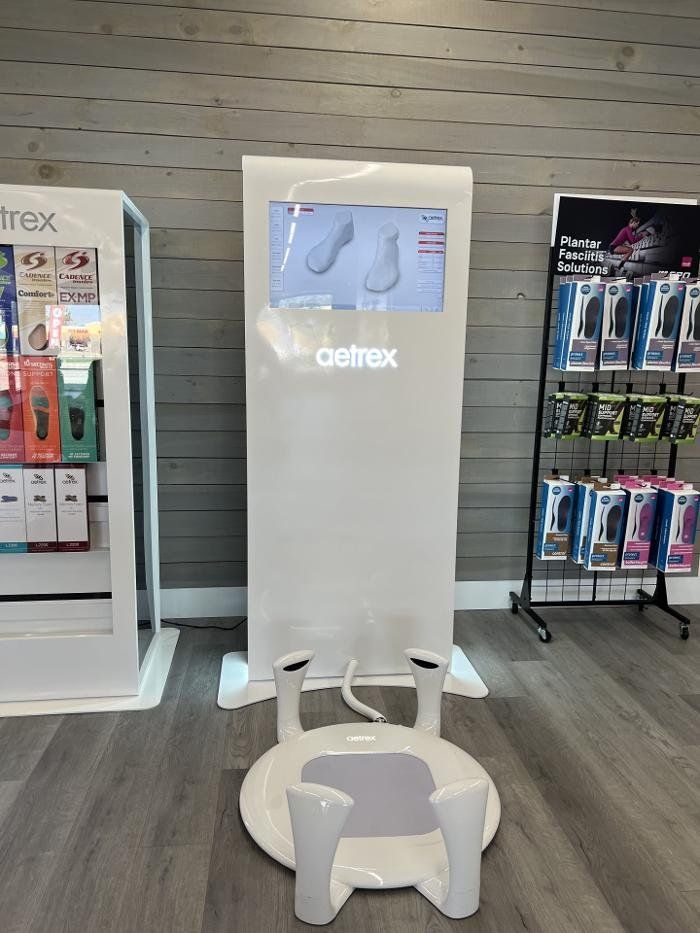
- Removable insoles to accommodate custom orthotics
Today’s orthopedic shoes come in a wide range of styles, from athletic and casual to dress and work footwear. This means you no longer have to choose between feeling good and looking good.
The Connection Between Orthopedic Shoes and New Year Goals
Many New Year resolutions involve becoming more active or improving daily routines. Whether you plan to walk more, stand longer at work, travel, or simply move with less pain, proper footwear plays a crucial role in reaching those goals.
Orthopedic shoes can help support:
Increased activity levels: Comfortable, supportive shoes make it easier to stay active without discomfort slowing you down.
Better posture: Proper foot alignment can improve posture and reduce strain throughout the body.
Pain management: For those dealing with chronic foot or joint pain, orthopedic shoes can significantly reduce daily discomfort.
Long-term mobility: Supporting your feet now helps maintain mobility and independence in the years ahead.
Starting the year with footwear that supports your goals can set the tone for healthier habits all year long.
Who Can Benefit from Orthopedic Shoes?
Orthopedic shoes aren’t just for people with diagnosed foot conditions. They benefit a wide range of individuals, including:
- People who stand or walk for long periods
- Those with foot, knee, hip, or back pain
- Individuals with flat feet or high arches
- Anyone recovering from injury or surgery
- Adults seeking better balance and stability
Even if you don’t experience daily pain, orthopedic shoes can help prevent future issues by providing the support your feet need to function properly.
Choosing the Right Orthopedic Shoe for the New Year
Selecting the right orthopedic shoe depends on your lifestyle, foot shape, and specific needs. Here are a few tips to keep in mind as you shop:
Get the right fit: Shoes that are too tight or too loose can cause discomfort. Proper sizing is essential, and foot size can change over time.
Look for support first: Arch support, cushioning, and stability should be priorities when choosing footwear.
Match the shoe to your activity: Walking shoes, work shoes, and casual shoes all have different support needs.
Don’t wait for pain to worsen: Addressing discomfort early can prevent more serious issues later.
A knowledgeable shoe professional can help assess your needs and recommend styles that offer the best combination of comfort and function.
Style Has Come a Long Way
One of the biggest misconceptions about orthopedic shoes is that they lack style. Fortunately, that couldn’t be further from the truth today. Many trusted comfort brands now offer shoes that combine orthopedic support with modern designs, quality materials, and versatile looks.
From sleek sneakers to polished casual shoes and supportive sandals, orthopedic footwear has evolved to fit seamlessly into everyday life. This makes it easier than ever to prioritize foot health without compromising your personal style.
Make Foot Health Part of Your New Year Routine
As you plan for the year ahead, consider adding foot care to your self-care routine. Replacing worn-out shoes, choosing supportive styles, and paying attention to how your feet feel can have a lasting impact on your comfort and mobility.
The New Year represents a fresh start—and sometimes, that fresh start begins with what’s on your feet. Orthopedic shoes are an investment not just in comfort, but in your overall well-being.
By stepping into the New Year with supportive, well-designed footwear, you’re setting yourself up for a year of better movement, reduced discomfort, and greater confidence with every step you take.